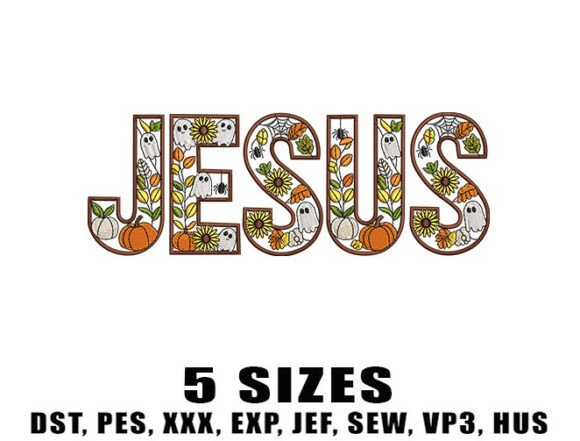
Halloween Jesus Embroidery Design
First Impression: Reverent, Playful, and Unexpected
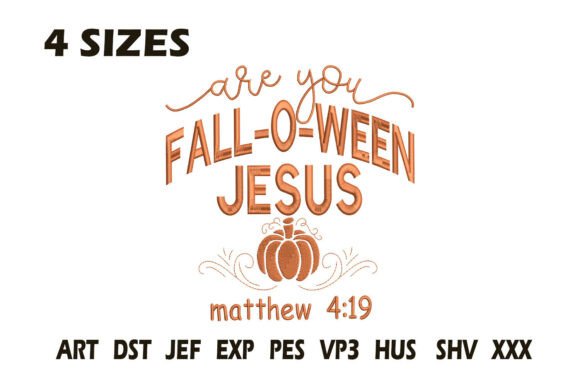
When I opened the Halloween Jesus Embroidery Design file, I didn’t chuckle—I paused. That’s rare. It’s not a gimmick stitched with irony; it’s a balanced visual negotiation between sacred stillness and seasonal whimsy. The composition centers a softly rendered figure—halo subtly textured with satin stitch, robe flowing in gentle fill-stitch curves, hands open in quiet blessing—while subtle Halloween motifs nestle thoughtfully around the perimeter: a single stylized bat in negative space, a crescent moon with faint cross motif, and delicate pumpkin vines curling at the base. No skulls, no flames, no exaggerated spookiness. This isn’t “Jesus at the haunted house.” It’s “Jesus walking through autumn twilight”—calm, grounded, quietly resonant. As a designer who sources embroidery files for boutique apparel and faith-based gifts, that tonal precision matters more than any stitch count.
Real-World Test: A Custom Linen Tea Towel for a Faith-Focused Kitchen Shop
I stitched the Halloween Jesus Embroidery Design onto a heavyweight natural linen tea towel—medium-density fabric, no stretch, light ecru background. Used medium-weight cutaway stabilizer, 40-weight rayon thread (ivory for robe, warm gold for halo, deep charcoal for vines), and a 5” hoop. The result? Crisp, breathable, and surprisingly warm. Customers browsing the shop didn’t do a double-take—they *leaned in*. One told me, “It feels like my grandmother’s prayer cloth met October.” That’s the sweet spot: reverence without rigidity, seasonality without satire. It works because the design doesn’t shout—it invites reflection. For Etsy sellers or small shop owners curating meaningful holiday merchandise, this is the kind of embroidered patch or towel design that sparks conversation, not confusion.
Where It Shines—and Where It Needs Thought
This design excels on stable, medium-to-heavyweight fabrics where stitch definition holds: sweatshirt embroidery (especially on crewnecks with flat collar seams), embroidered patch blanks for aprons or tote bags, pillow covers with tight-weave cotton duck, and baby embroidery on organic cotton knit onesies (when stabilized properly). On a custom embroidered tote bag, the balanced layout fills the hoop space without crowding—no awkward floating elements or cramped corners.
But be mindful: avoid using the Halloween Jesus Embroidery Design on highly textured fleece or loose-knit t-shirts without aggressive stabilization—it’s detailed enough that loose fibers can blur the halo’s edge or soften the vine outlines. Tiny lettering isn’t present here (a strength), but dense fill-stitch areas in the robe require testing on dark fabric: contrast drops if thread sheen clashes with low-light backgrounds. And while it adapts well to curved surfaces like caps, I’d recommend simplifying the outer vine motif or opting for a cropped version—full perimeter detail risks distortion near the bill seam.
Design Integrity Meets Commercial Practicality
As a craft business owner, I judge embroidery files not just by beauty—but by how they hold up across customer expectations. This design strengthens handmade presentation: clean lines, intentional negative space, and thoughtful scale mean it photographs well in printable mockups and digital embroidery file previews. It reads as professional—not DIY-casual—so your Etsy listing or boutique branding stays cohesive. Buyers trust items that look intentionally designed, not assembled. That translates directly to perceived value: a $28 linen towel with this embroidery sells faster than one with generic pumpkins, especially in faith-forward markets.
Giftability is high. It’s not polarizing—it’s inclusive for families blending tradition and celebration, churches hosting fall festivals, or grandparents wanting something tender for a baby’s first Halloween. I’ve seen similar designs misfire when tone veers into kitsch; this avoids that by keeping Jesus central, serene, and human-scale—not cartoonish or overly ornate. Recognition is immediate (the pose, the halo, the posture), yet it feels fresh enough to stand out in a sea of commercial holiday embroidery.
Practical Designer Notes Before You Stitch
- Always test on scrap fabric first—especially if pairing with dark or textured substrates. Linen, cotton twill, and midweight denim all behaved well; jersey and lightweight voile did not without tear-away + cutaway combo stabilizer.
- Review stitch density before scaling. At 4.5”, density felt rich but manageable. At 6”, some fill areas tightened slightly—fine for display pieces, less ideal for frequently washed baby embroidery.
- Confirm hoop size compatibility. The full design fits comfortably in a 5” x 7” hoop, but check your machine’s max stitching area—some compact models may require slight repositioning.
- Inspect small details: the vine tendrils and bat wing edges are delicate but legible at recommended sizes. Avoid shrinking below 3.75” unless you’re willing to manually simplify.
- Test in black-and-white mockups—this design relies on tonal contrast, not color. If it reads clearly in grayscale, you’re golden on fabric color variation.
- Verify licensing. Since this is listed under Religion Amp, confirm whether the Halloween Jesus Embroidery Design permits commercial use for finished products or resale of digital files—don’t assume.
In short: this isn’t novelty embroidery. It’s considered, crafted, and quietly confident. Whether you’re building a line of holiday kitchen textiles, designing custom apparel for a church fundraiser, or creating personalized gifts with soul, the Halloween Jesus Embroidery Design delivers substance alongside seasonal charm. It stitches cleanly, sells thoughtfully, and honors both craft and context—exactly what experienced designers and creative entrepreneurs need from their embroidery file library.