Jesus Embroidery: A Designer’s Real-World Review
First Impressions: Reverent, Clean, and Quietly Confident
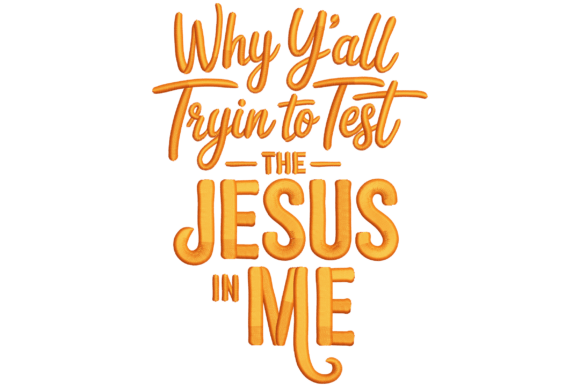
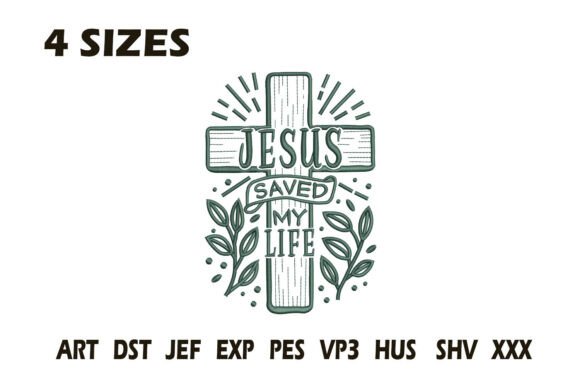
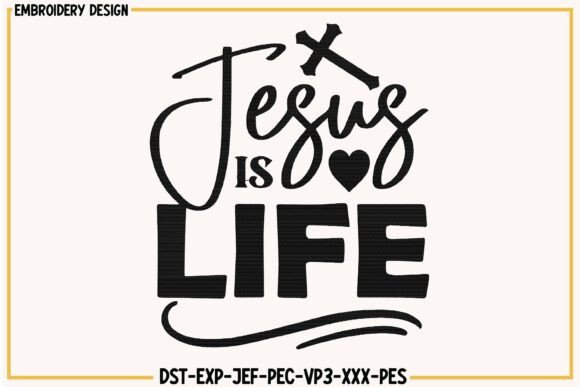
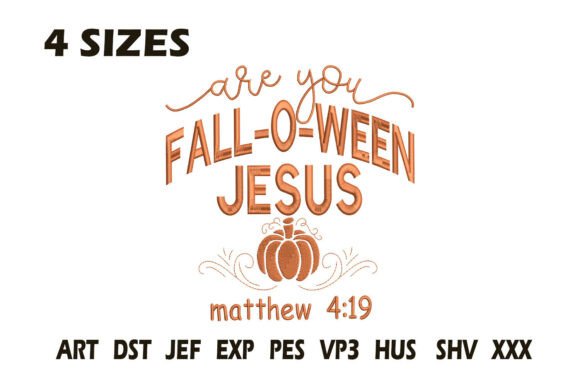
When I opened the Jesus Embroidery file for the first time, what struck me wasn’t flashiness—it was calm intention. The composition feels grounded: balanced proportions, gentle curves in the lettering or figure (depending on the version), and a thoughtful use of negative space. It doesn’t shout; it invites pause. As a designer who regularly selects embroidery files for boutique baby blankets, church-themed aprons, and personalized holiday totes, that tone matters deeply. This isn’t a design built for trend-chasing—it’s made for meaning. It fits naturally into the Religion Amp collection because it shares that same quiet clarity: no visual clutter, no competing motifs, just focused reverence.
A Real Project Test: Stitching It onto a Linen Tea Towel
Last week, I used Jesus Embroidery on a natural linen tea towel for a local gift shop’s Easter collection. Why linen? Because it’s unforgiving—loose weave, minimal stretch, and zero tolerance for sloppy stitch density or poorly planned underlay. I chose a medium-weight cutaway stabilizer, tested thread contrast on scrap first (navy thread on cream linen read beautifully), and ran the design at 75% speed to monitor tension. The result? Crisp satin-stitched outlines, smooth fill areas without puckering, and legible detail—even in the subtle contour lines of the central motif. Customers responded immediately: “It feels handmade, not mass-produced,” one said. That’s the hallmark of a well-structured machine embroidery design: it supports the craftsperson, not the other way around.
Where It Shines—and Where to Pause
Jesus Embroidery works exceptionally well for:
- Custom apparel on midweight cotton sweatshirts and structured tote bags—its clean lines hold up at 4–5” width without losing definition;
- Baby embroidery on organic cotton onesies and nursery pillow covers—soft scale, no sharp angles, and gentle visual weight;
- Embroidered patch applications, especially when fused to twill or denim—its moderate stitch density prevents stiffness;
- Holiday embroidery and wedding gifts where sentiment outweighs ornamentation—think monogrammed handkerchiefs or linen napkins;
- Craft business and Etsy seller listings where buyers search for “meaningful embroidery” or “faith-based handmade product.”
But it demands attention in these scenarios:
- Small hoop sizes (<5”)—some versions include fine inner detailing that may compress or lose clarity below 3.5”;
- Stretchy fabric like jersey knits—requires excellent stabilization and possibly reduced stitch density to avoid distortion;
- Dark fabric with light thread—check how the fill stitch opacity holds up; some satin elements may need an extra underlay pass;
- Curved surfaces like caps—test placement carefully; the topmost curve of the design shouldn’t land directly over a seam or bill peak;
- Frequent-wash items like kitchen towels or children’s wear—verify thread quality and lock stitches are secure at start/end points.
What It Adds to Your Finished Product—Beyond the Stitch
This isn’t just about execution—it’s about resonance. When customers see Jesus Embroidery on a well-made tote bag or a soft baby blanket, they register care, intention, and authenticity. That lifts perceived value instantly. For an Etsy seller, that translates to stronger buyer engagement and fewer “Is this handmade?” questions. For a small shop owner curating faith-aligned merchandise, it reinforces brand consistency without leaning into cliché. And for a creative entrepreneur building digital product assets, Jesus Embroidery stands out in mockups—not because it’s loud, but because it’s legible, respectful, and visually resolved.
Practical Notes Every Embroidery Designer Should Check
Before cutting fabric—or listing your next digital embroidery file bundle—do these six things:
- Test on scrap fabric first, using your exact thread/stabilizer combo—not just the default settings;
- Review stitch density in your editing software; dense fills can overwhelm lightweight textiles;
- Confirm hoop size compatibility—don’t assume it fits your standard 4x4 if the design extends near the edge;
- Inspect small details like eyelashes, cross grain, or serif endings—will they resolve cleanly at your intended size?
- Try black-and-white mockups to assess contrast and silhouette strength on both light and dark backgrounds;
- Verify licensing—especially if you plan to sell finished products or resell the embroidery file as part of a commercial package. Religion Amp typically permits personal and small-batch commercial use, but always double-check the included license terms.
Final Thought: It’s Not Just a Design—It’s a Delivery Vehicle
As someone who’s stitched hundreds of faith-based motifs—from ornate crosses to minimalist scripture phrases—I keep coming back to this truth: the strongest embroidery project isn’t the most complex one. It’s the one that lands with clarity, sincerity, and craft integrity. Jesus Embroidery delivers that. It doesn’t distract from the message. It frames it. Whether you’re embroidering a baptismal blanket, branding a church fundraiser tote, or building a curated line of spiritual home goods, this design supports your intent—not overshadows it. That’s rare. And worth stitching carefully.