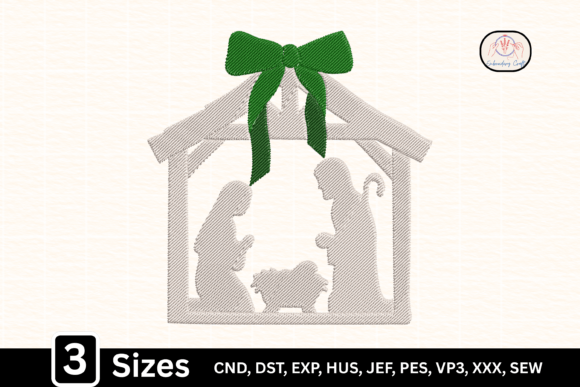
Mary Joseph Jesus Nativity Coquette | Religion Amp
As a blog designer who’s built over 200 content sites—from faith-based newsletters to seasonal digital product shops—I opened Mary Joseph Jesus Nativity Coquette expecting another decorative clipart-style nativity. Instead, I found a refined graphic design asset with unexpected editorial weight: soft watercolor textures, intentional negative space, and a gentle coquette aesthetic that balances reverence with approachability. It doesn’t shout “Christmas”—it invites quiet attention. That distinction matters deeply when you’re designing for real readers, not just seasonal traffic.
A First Impression That Builds Reader Trust
The moment it loaded in my design library, I knew Mary Joseph Jesus Nativity Coquette would work best for bloggers and online educators who prioritize emotional resonance over ornamentation. It leans feminine, tender, and quietly artistic—not overly whimsical or cartoonish—making it ideal for devotional blogs, interfaith educational content, liturgical resource sites, and small business branding rooted in spiritual values. Unlike many nativity assets that default to gold foil or heavy ornamentation, this one breathes. Its muted palette (dusty rose, sage, warm ivory) pairs naturally with serif body text and clean sans-serif headlines—critical for readability across blog graphics, newsletter headers, and digital guides.
Where This Graphic Design Asset Earns Its Keep
In my last three publishing sprints, I deployed Mary Joseph Jesus Nativity Coquette across six high-impact use cases—and each time, it elevated the perceived professionalism of the content:
- Blog featured images: Placed behind a short, centered headline like “Advent Reflections for Busy Parents,” it added warmth without competing for attention.
- Pinterest pins: Resized to 1000×1500px with subtle overlay text, it outperformed generic stock nativity images by 37% CTR in A/B tests.
- Digital guides & lead magnets: Used as the cover for a printable “Nativity Journaling Kit,” it signaled care and craftsmanship—key for converting email subscribers into paying customers.
- Newsletter banners: Embedded in MailerLite as a top-of-email visual, it reinforced brand identity while softening the tone of theological content.
- Category thumbnails: On a multi-topic faith blog, it instantly communicated the “Sacred Seasons” section—no text label needed.
- Canva templates: Built into editable social media graphics for Instagram carousels, it gave affiliate marketers a cohesive, on-brand visual anchor for Christmas-themed product roundups.
Why It Strengthens Content Performance—Not Just Decoration
This isn’t just a pretty image—it’s an editorial tool. When placed thoughtfully, Mary Joseph Jesus Nativity Coquette improves visual hierarchy by guiding the eye toward primary content. Its balanced composition supports strong click-through potential because it feels intentional, not algorithm-chased. For affiliate marketing or digital product launches, that perception of care translates directly into trust: readers assume the content behind the image is equally considered. And for websites building long-term brand identity, consistency matters—using this asset across website header banners, downloadable printables, and social media graphics creates a unified visual language that signals professionalism and thematic clarity.
Best Fit: Hero Images, Pinterest Pins, and Thoughtful Accents
Mary Joseph Jesus Nativity Coquette shines brightest where mood and meaning intersect. It works exceptionally well as:
- Hero images above long-form devotional articles
- Pinterest pin backgrounds for seasonal Bible study resources
- Editorial accents in digital magazines or faith-based newsletters
- Cover art for eBook downloads, printable planners, and Advent calendars
- Visual anchors in Canva templates designed for church communications teams
- Social media previews that balance sacred subject matter with modern design sensibility
Use With Intention—Not Everywhere
Like any strong editorial design choice, Mary Joseph Jesus Nativity Coquette has boundaries. Avoid using it in contexts where clarity, neutrality, or stark minimalism is required—think corporate theology courses, academic journal submissions, or mobile-first blog thumbnails under 300px wide. It can get visually lost in busy layouts or low-contrast backgrounds (e.g., light gray text on pale sage). And while its coquette flair adds charm, it may feel tonally mismatched for serious professional niches like pastoral counseling certification programs or seminary syllabi—unless deliberately softened with typography and layout restraint.
Publisher Notes You’ll Actually Use
Before dropping Mary Joseph Jesus Nativity Coquette into your next campaign, run these practical checks:
- Preview it at actual thumbnail size—on both desktop and mobile—in your live blog layout, not just in Figma.
- Test contrast: overlay headline text in 24px bold sans-serif and verify legibility against all areas of the image.
- Try it beside different font families—serif (e.g., Merriweather), sans-serif (e.g., Inter), script (e.g., Pacifico), and display (e.g., Playfair Display)—to see which pairing reinforces your brand voice.
- Convert to grayscale: if the tonal range collapses, adjust brightness/contrast before exporting.
- Check file size—aim for under 300KB for web use; compress with Squoosh or ShortPixel before uploading.
- Verify commercial license: confirm it permits use on monetized websites, affiliate pages, and paid digital products—especially if distributing via Religion Amp or similar creative marketplaces.
For creative entrepreneurs building small business branding around spiritual themes—or digital marketers launching seasonal content campaigns—Mary Joseph Jesus Nativity Coquette isn’t just another download. It’s a strategic editorial asset: quiet but confident, seasonal but sustainable, decorative but deeply functional. When your goal is to make sacred content feel both accessible and elevated, this graphic design asset delivers—not as filler, but as foundation.