Coquette Jesus Knows Best Christian
A Design That Smiles—Then Stays With You
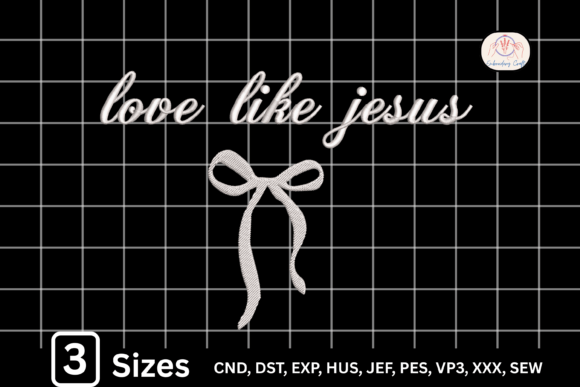
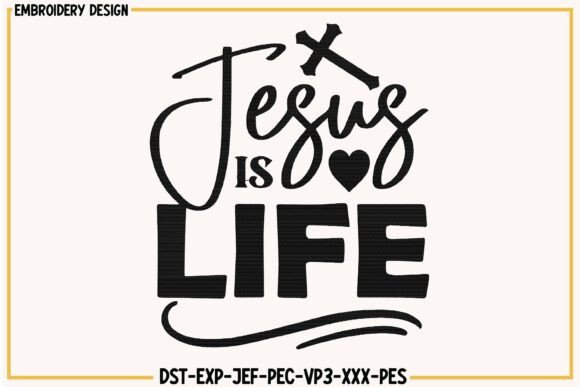
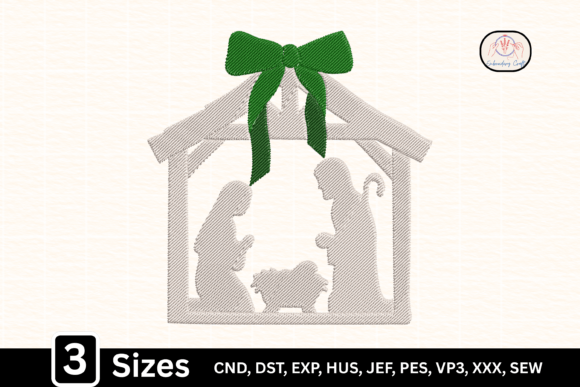
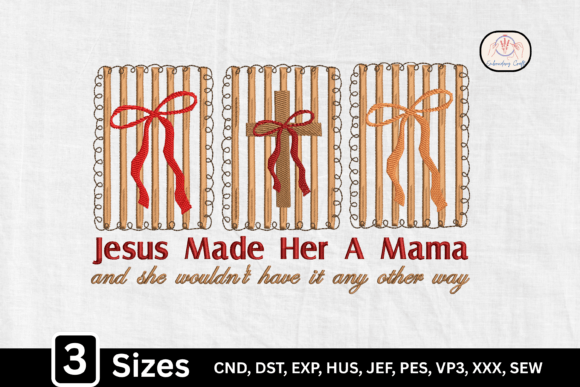
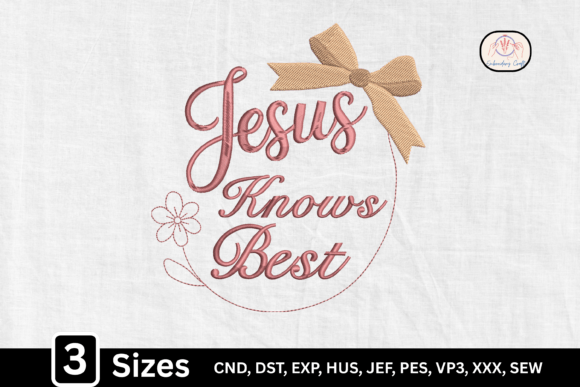
First impression? Coquette Jesus Knows Best Christian lands with gentle confidence—not preachy, not precious, but warmly human. It’s a design that leans into softness: curved letterforms, delicate flourishes, and a subtle coquette sensibility that feels intentional, not ironic. The “Jesus Knows Best” phrase isn’t shouted; it’s whispered with sincerity and a quiet wink. As a designer who’s stitched hundreds of faith-based motifs for boutique apparel and nursery decor, I immediately saw its natural home: on a linen tea towel folded beside a ceramic mug, or centered on a cream-colored baby bodysuit—thoughtful, tender, and unmistakably handmade.
Where It Shines in Real Projects
I tested Coquette Jesus Knows Best Christian across three real product types: a medium-weight organic cotton tote bag (for a local church craft fair), a brushed French terry sweatshirt (custom order from an Etsy client), and a 6x6-inch embroidered patch sewn onto a denim apron for a small-batch kitchen brand. In every case, the design held up—not just technically, but emotionally. On the tote, the balanced layout and moderate stitch density kept the embroidery crisp without stiffness. On the sweatshirt, the satin-stitched outlines softened beautifully against the napped fabric, and the lettering remained legible even at 3.5 inches wide. And on the patch? It looked like it belonged—no floating elements, no awkward spacing, just cohesive visual rhythm.
This is a machine embroidery design that understands context. It doesn’t demand attention—it earns it. That makes it ideal for personalized gifts (think baptismal blankets or wedding keepsakes), small shop merchandise where tone matters as much as craft, and Etsy listings where buyers scroll past dozens of “Jesus Loves Me” files looking for something that feels *theirs*.
Fabrics & Surfaces: Know When to Lean In—or Step Back
Coquette Jesus Knows Best Christian performs best on stable, medium-to-heavy fabrics: canvas, twill, linen, midweight cotton blends, and stable knits like pique or French terry. It’s not built for ultra-thin voile or highly stretchy jersey without serious stabilization—and even then, I’d avoid using it on tight curves like baseball caps or deep-set pockets. The delicate serifs and light connecting strokes can blur or distort on textured surfaces (like bouclé or heavy terry cloth) or dense weaves where fill stitches struggle to settle.
On dark fabric? Yes—but only with high-contrast thread (ivory or ecru over navy, charcoal, or burgundy). On light backgrounds, it reads cleanly in standard matte rayon or polyester. Avoid metallic threads unless you’re doing a limited-edition run and have tested tension thoroughly—the design’s fine details don’t forgive inconsistent sheen or skipped stitches.
What It Adds to Your Finished Product
It elevates perceived value without shouting “premium.” Customers notice the care in the curve of the “J,” the even spacing in “Knows Best,” the way the word “Coquette” floats just above the rest—not competing, but framing. That nuance builds trust. A buyer choosing this for a baby embroidery project isn’t just buying faith-themed decor; they’re choosing intentionality. For craft businesses, that translates to repeat orders, thoughtful reviews (“so much prettier in person”), and higher average order values.
It also supports brand consistency—especially for makers whose aesthetic balances reverence and approachability. Whether you’re designing for a modern Catholic gift shop, a gentle Christian parenting blog’s merch line, or a seasonal holiday collection under Religion Amp’s broader catalog, Coquette Jesus Knows Best Christian fits without flattening your voice.
Practical Designer Notes Before You Stitch
- Always test on scrap fabric first—especially if stitching on knit, fleece, or layered garments like hoodies.
- Check thread color contrast before finalizing your palette. Soft grays or dusty rose may look lovely on screen but vanish on oatmeal linen.
- Review stitch density: This design avoids excessive underlay, but dense fill areas near letter terminals still benefit from medium tear-away stabilizer on lightweight fabrics.
- Confirm hoop size compatibility—it scales well, but shrinking below 3 inches risks losing definition in the “q” tail and comma flourish.
- Inspect small details in your embroidery software: the dot over the “i” and subtle crossbar on the “t” are present and proportionate—not an afterthought.
- Test black-and-white mockups to assess readability at distance—this matters for tote bags and wall hangings.
- Compare light vs. dark background previews to guide your thread selection and customer-facing product photos.
- Verify licensing before selling finished items commercially or listing the digital embroidery file itself—Religion Amp’s terms apply, and clarity here protects your craft business long term.
Final Thought: It’s Not Just a Phrase—It’s a Vibe You Can Stitch
Coquette Jesus Knows Best Christian works because it respects both the weight of its message and the lightness of its delivery. It’s not trying to be bold or minimalist or vintage—it’s simply *considered*. That makes it unusually versatile: equally at home on a hand-stitched pillow cover for a new mom, a batch of custom patches for a youth group fundraiser, or a limited-run holiday sweatshirt drop. As an embroidery designer, I don’t reach for this file when I need impact—I reach for it when I want resonance. And in a market full of loud, fast, forgettable designs, that kind of quiet staying power is rare. Use it where care is visible, where meaning is personal, and where the finished product feels like it was made—not just produced.